


Brenda L Croft
after/image
13 feb. — 4 apr. 2026
Brenda L Croft
after/image
13 feb. — 4 apr. 2026
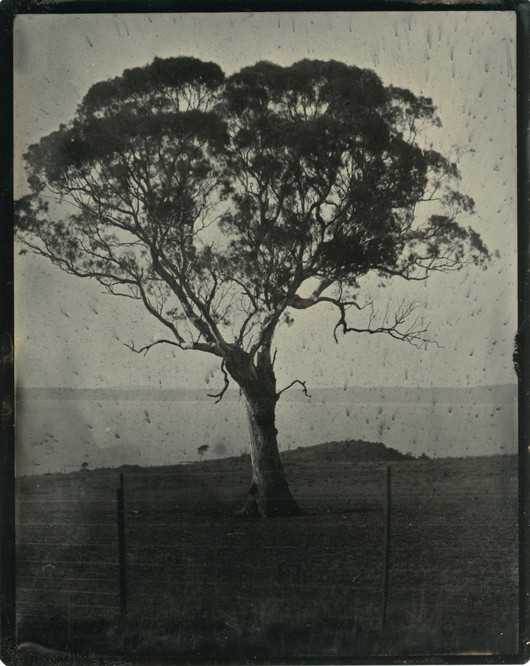
Brenda L Croft, Gurindji / Malngin / Mudburra Peoples from the Victoria River region of the Northern Territory of Australia, and Anglo-Australian / British / Chinese / German / Irish / Scottish heritage, Weerewa (Lake George) tree II, 2026, From the series after/image 2026, Chromaluxe custom print from original tintype, with technical assistance from Prue Hazelgrove. Printed by Richard Crampton for Darkstar Digital. Courtesy the artist and Niagara Galleries, Melbourne
Brenda L Croft, Gurindji / Malngin / Mudburra Peoples from the Victoria River region of the Northern Territory of Australia, and Anglo-Australian / British / Chinese / German / Irish / Scottish heritage, Weerewa (Lake George) tree II, 2026, From the series after/image 2026, Chromaluxe custom print from original tintype, with technical assistance from Prue Hazelgrove. Printed by Richard Crampton for Darkstar Digital. Courtesy the artist and Niagara Galleries, Melbourne
Brenda L Croft
after/image
13 feb. — 4 apr. 2026
after/image presents new work from artist and curator Brenda L Croft. Working with sites in the Goulburn Mulwaree region that connect directly to her family history, Croft offers a story of connection and distance, memory and loss over time.
Croft is an artist from the Gurindji/Malngin/Mudburra Peoples from the Victoria River region of the Northern Territory of Australia, and has Anglo-Australian/British/ Chinese/German/Irish/Scottish heritage. Her practice has, for over four decades, explored the intersections of family/community, place, re/memorying and contested histories.
after/image will extend Croft’s ongoing practice of researching and honouring her matrilineal heritage, in particular her great-greatgrandmother Caroline Stephenson (and her family) with whom she shares a birthday (17 May 1857/1964), who lived and worked in the broader Goulburn region during the mid to late 19th century.
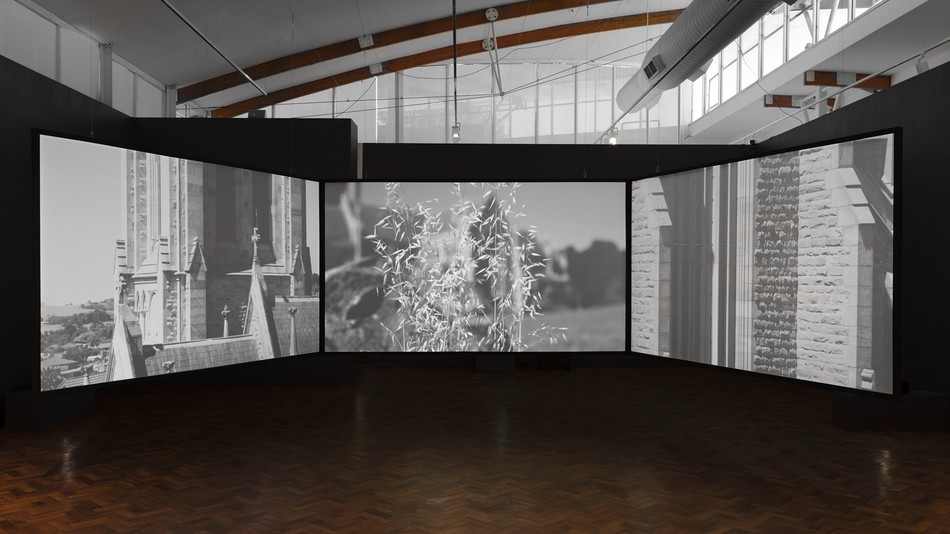
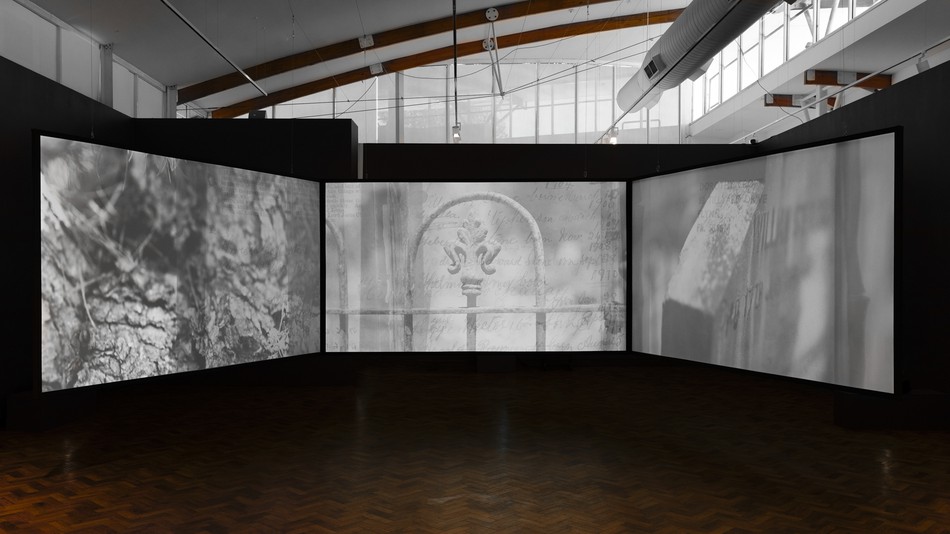
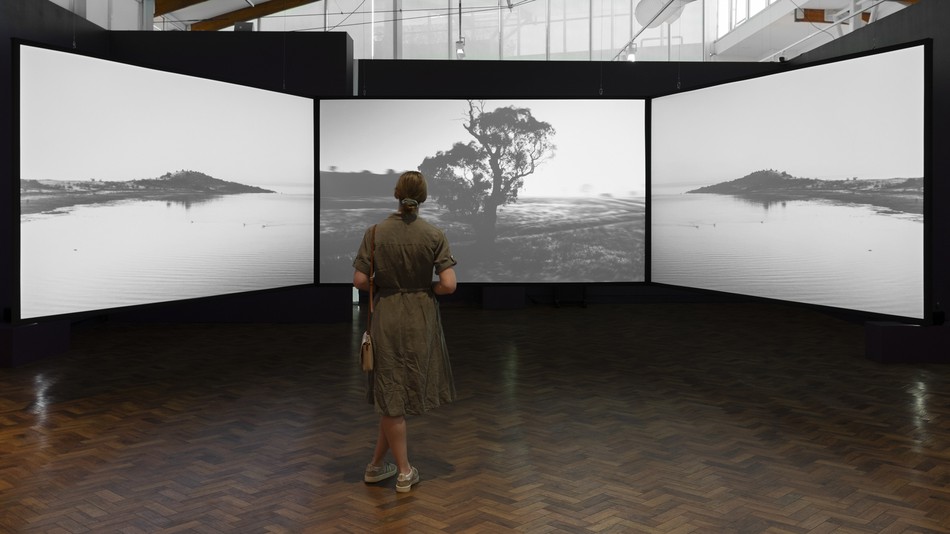
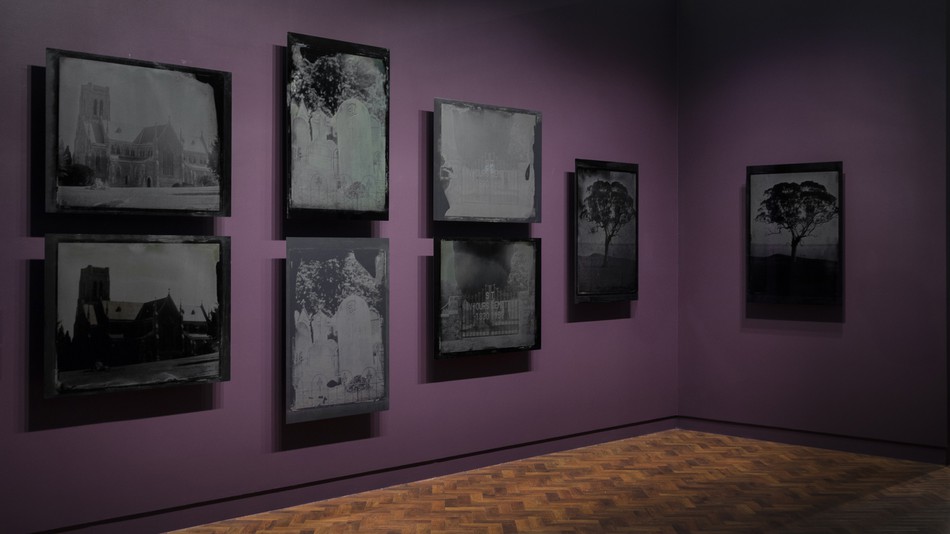
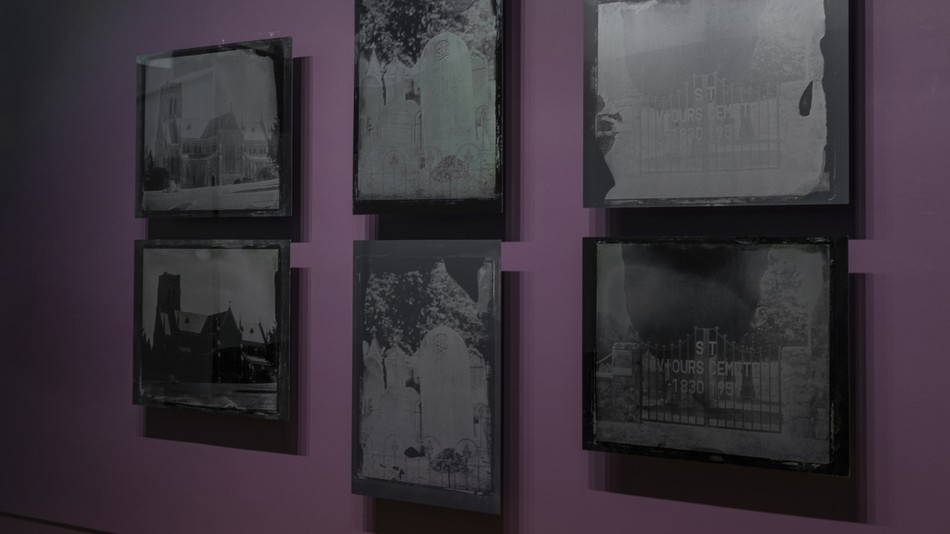
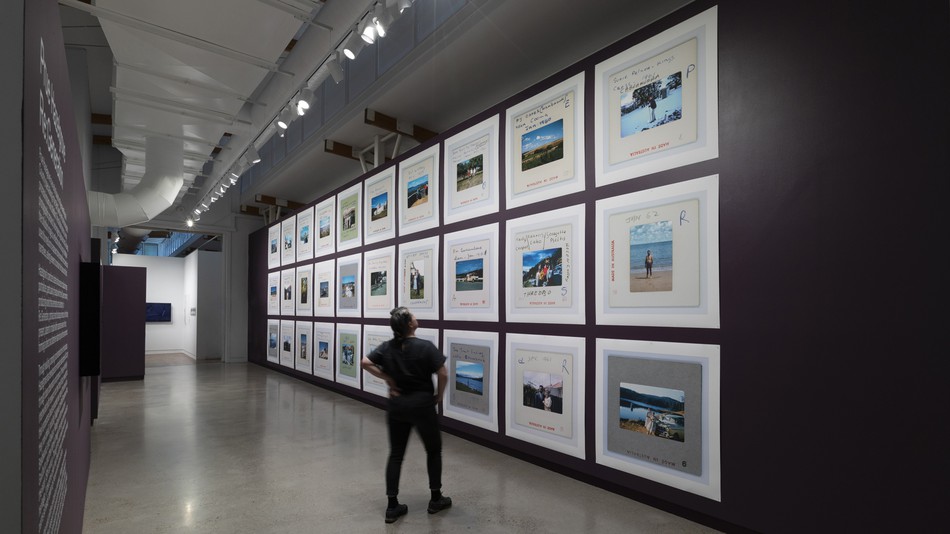
after/image is an immersive exhibition experience featuring the Collodion tintype photographic process as well as a large-scale audio-visual installation. These new works will document specific sites of personal and historic significance tracing her maternal family's connections. The works trace the Coach and Horses Inn, St Saviour’s Cemetery and the northeast corner of Weereewa/Lake George, an endoheric lake that rises and falls enigmatically over time and has been a historic site of atrocities, fantasies and reflection over thousands of years.
Croft in this new photographic series works with technical assistance from artist Prue Hazelgrove who brings expertise in the wet plate photographic process. Hazelgrove is simultaneously presenting a new body of work at the Gallery which studies the interlinked connections and histories between Hazelgrove’s personal experiences, family history in the region, and intersections with spiritual, social and cultural institutions.
Related Events
Catalogue launch with Brenda L Croft, Dr Rowan Conroy and Virginia Rigney
Roam through time with Brenda L. Croft and Jennifer Lamb OAM
Opening Brenda L Croft , Prue Hazelgrove & Bridget Baskerville + artist tour


15
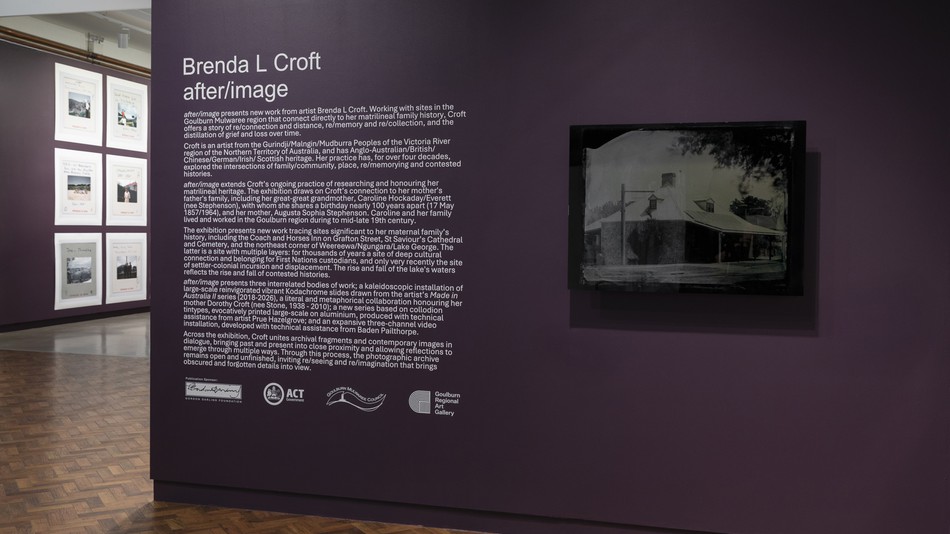
Installation view Brenda L Croft ‘after/image’ featuring Brenda L Croft, Gurindji/Malngin/Mudburra Peoples from the Victoria River region of the Northern Territory of Australia, and Anglo-Australian/British/Chinese/German/Irish/Scottish heritage, 'Coach and Horses Inn I', 2026, from the series 'after/image' 2026, Chromaluxe custom print, from original tintype with technical assistance from Prue Hazelgrove, Printed by Richard Crampton for Darkstar Digital and Brenda L. Croft, ‘Made in Australia II’ series’, 2018 – 2026 (detail), pigment print on paper from Kodachrome slides. Printed by Richard Crampton for Darkstar Digital. Courtesy the artist and Niagara Galleries, Melbourne. Photograph: Silversalt Photography.
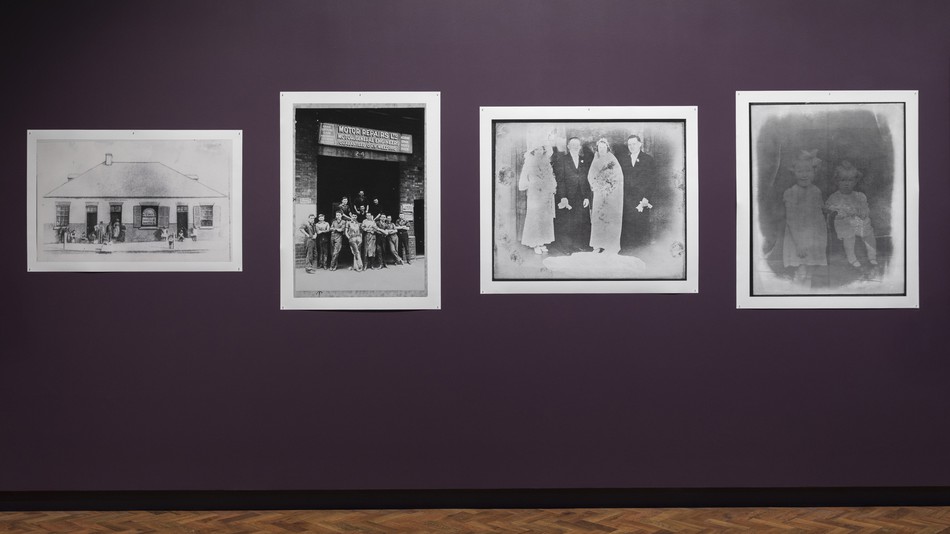
Installation view Brenda L Croft ‘after/image’ featuring Brenda L Croft, Gurindji/Malngin/Mudburra Peoples from the Victoria River region of the Northern Territory of Australia, and Anglo-Australian/British/Chinese/German/Irish/Scottish heritage, ‘Coach and Horses Inn/Hotel, Augusta Stephenson (licensee) & Son c.1880-1890’ (Photographer unknown, Courtesy History Goulburn); ‘Herb 16 yrs, with his brother and other apprentices, Sydney c 1925 (Photographer unknown)’, 2016; ‘Herb + Phyllis Stone ‘s Wedding 1 January 1934 (Photographer unknown)’ 2026, and ‘Judy + Dorothy Stone, c 1940 (Photographer unknown)’, 2026, from the from the series ‘after/image’, 2026, pigment pigment paper, from archival photograph. Printed by Richard Crampton for Darkstar Digital. Courtesy the artist and Niagara Galleries, Melbourne. Photograph: Silversalt Photography.
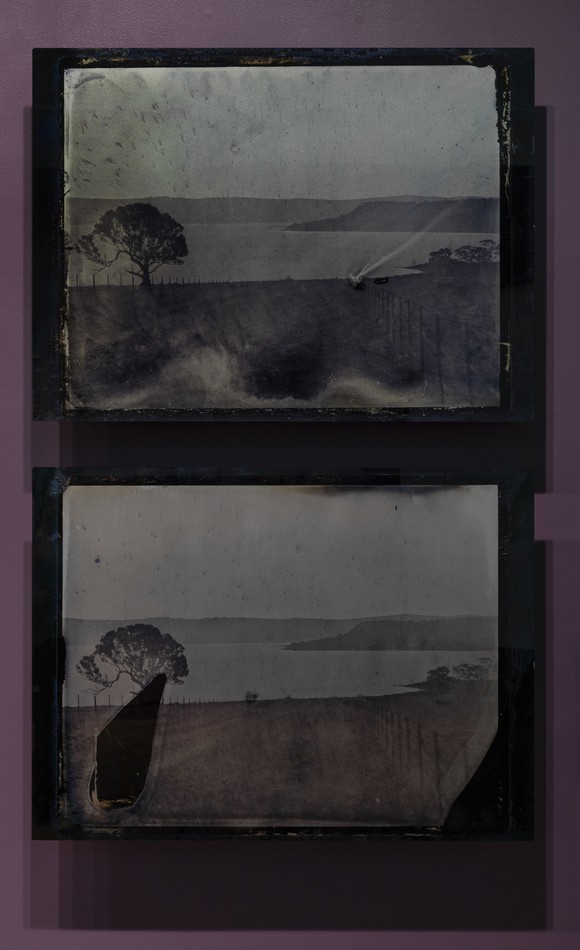
Installation view Brenda L Croft ‘after/image’ featuring Brenda L Croft, Gurindji/Malngin/Mudburra Peoples from the Victoria River region of the Northern Territory of Australia, and Anglo-Australian/British/Chinese/German/Irish/Scottish heritage, ‘Weereewa/Ngungara (Lake George) after Lycett (For Augusta + Caroline 17 May 1957/2025)’, 2026 and ‘Weereewa/Ngungara (Lake George) after Lycett (for Dorothy + Brenda 17 May 1964/2025)’, 2026, from the series ‘after/image’, 2026, Chromaluxe custom print, from original tintype with technical assistance from Prue Hazelgrove. Printed by Richard Crampton for Darkstar Digital. Courtesy the artist and Niagara Galleries, Melbourne. Photograph: Silversalt Photography.
Installation view Brenda L Croft, ‘after/image’ featuring Brenda L Croft, Gurindji/Malngin/Mudburra Peoples from the Victoria River region of the Northern Territory of Australia, and Anglo-Australian/British/Chinese/German/Irish/Scottish heritage, ‘after/imagining’, 2026, three channel digital moving image work, duration 10mins, with technical assistance from Baden Phalthorpe. With thanks to Reverend Gavin Krebs, Dean, Phil Fraser, organist and congregation of St Saviour’s Anglican Cathedral Canberra/Goulburn; sincere thanks to the congregation of St Nicholas’ Anglican Church, Goulburn. Courtesy the artist and Niagara Galleries, Melbourne. Photograph: Silversalt Photography.
Installation view Brenda L Croft, ‘after/image’ featuring Brenda L Croft, Gurindji/Malngin/Mudburra Peoples from the Victoria River region of the Northern Territory of Australia, and Anglo-Australian/British/Chinese/German/Irish/Scottish heritage, ‘after/imagining’, 2026, three channel digital moving image work, duration 10mins, with technical assistance from Baden Phalthorpe. With thanks to Reverend Gavin Krebs, Dean, Phil Fraser, organist and congregation of St Saviour’s Anglican Cathedral Canberra/Goulburn; sincere thanks to the congregation of St Nicholas’ Anglican Church, Goulburn. Courtesy the artist and Niagara Galleries, Melbourne. Photograph: Silversalt Photography.
Installation view Brenda L Croft, ‘after/image’ featuring Brenda L Croft, Gurindji/Malngin/Mudburra Peoples from the Victoria River region of the Northern Territory of Australia, and Anglo-Australian/British/Chinese/German/Irish/Scottish heritage, ‘after/imagining’, 2026, three channel digital moving image work, duration 10mins, with technical assistance from Baden Phalthorpe. With thanks to Reverend Gavin Krebs, Dean, Phil Fraser, organist and congregation of St Saviour’s Anglican Cathedral Canberra/Goulburn; sincere thanks to the congregation of St Nicholas’ Anglican Church, Goulburn. Courtesy the artist and Niagara Galleries, Melbourne. Photograph: Silversalt Photography.
Installation view Brenda L Croft’ after/image’ featuring Brenda L Croft, Gurindji/Malngin/Mudburra Peoples from the Victoria River region of the Northern Territory of Australia, and Anglo-Australian/British/Chinese/German/Irish/Scottish heritage, ‘St Saviour’s Cathedral I’, 2026; ‘St Saviour’s Cathedral II’, 2026; ‘St Saviour's Cemetery Headstone I’, 2026; St Saviour's Cemetery Headstone II’, 2026; ‘St Saviour’s Cemetery Gates I’ 2026; St Saviour’s Cemetery Gates II’ 2026; ‘Weereewa/Ngungara (Lake George) Tree I’, 2026 and Weereewa/Ngungara (Lake George) Tree II’, 2026, from the series ‘after/image’, 2026, Chromaluxe custom print, from original tintype with technical assistance from Prue Hazelgrove. Printed by Richard Crampton for Darkstar Digital. Courtesy the artist and Niagara Galleries, Melbourne. Photograph: Silversalt Photography.
Installation view Brenda L Croft’ after/image’ featuring Brenda L Croft, Gurindji/Malngin/Mudburra Peoples from the Victoria River region of the Northern Territory of Australia, and Anglo-Australian/British/Chinese/German/Irish/Scottish heritage, ‘St Saviour’s Cathedral I’, 2026; ‘St Saviour’s Cathedral II’, 2026; ‘St Saviour's Cemetery Headstone I’, 2026; St Saviour's Cemetery Headstone II’, 2026; ‘St Saviour’s Cemetery Gates I’ 2026; St Saviour’s Cemetery Gates II’ 2026, from the series ‘after/image’, 2026, Chromaluxe custom print, from original tintype with technical assistance from Prue Hazelgrove. Printed by Richard Crampton for Darkstar Digital. Courtesy the artist and Niagara Galleries, Melbourne. Photograph: Silversalt Photography.
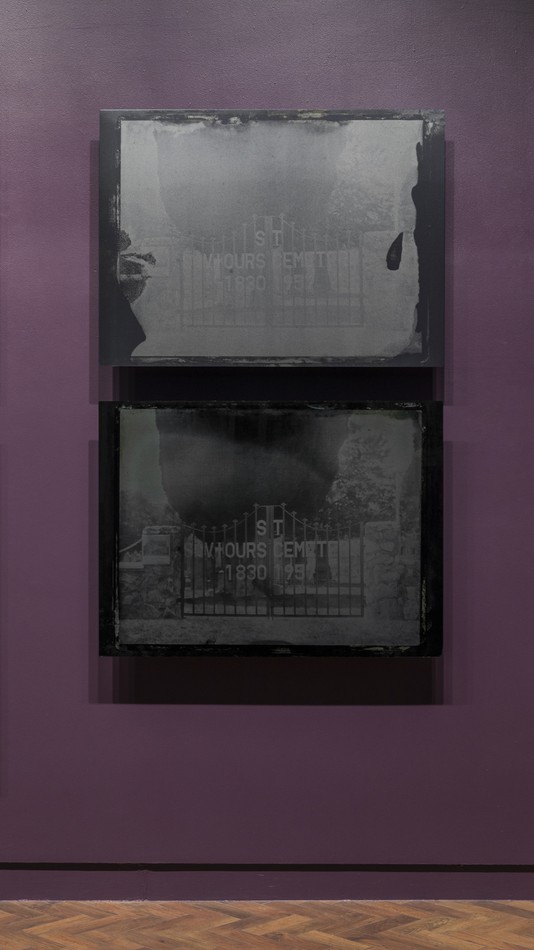
Installation view Brenda L Croft’ after/image’ featuring Brenda L Croft, Gurindji/Malngin/Mudburra Peoples from the Victoria River region of the Northern Territory of Australia, and Anglo-Australian/British/Chinese/German/Irish/Scottish heritage, ‘St Saviour’s Cemetery Gates I’ 2026; St Saviour’s Cemetery Gates II’ 2026, from the series ‘after/image’, 2026, Chromaluxe custom print, from original tintype with technical assistance from Prue Hazelgrove. Printed by Richard Crampton for Darkstar Digital. Courtesy the artist and Niagara Galleries, Melbourne. Photograph: Silversalt Photography.
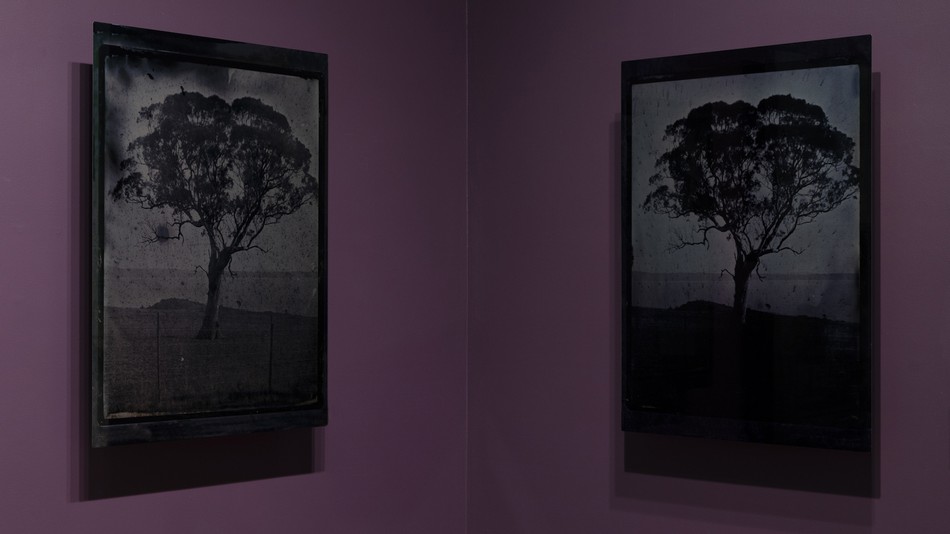
Installation view Brenda L Croft, ‘after/image’ featuring Brenda L Croft, Gurindji/Malngin/Mudburra Peoples from the Victoria River region of the Northern Territory of Australia, and Anglo-Australian/British/Chinese/German/Irish/Scottish heritage, Weereewa/Ngungara (Lake George) Tree I’, 2026, and Weereewa/Ngungara (Lake George) Tree II’, 2026, from the series ‘after/image’, 2026, Chromaluxe custom print, from original tintype with technical assistance from Prue Hazelgrove. Printed by Richard Crampton for Darkstar Digital. Courtesy the artist and Niagara Galleries, Melbourne. Photograph: Silversalt Photography.
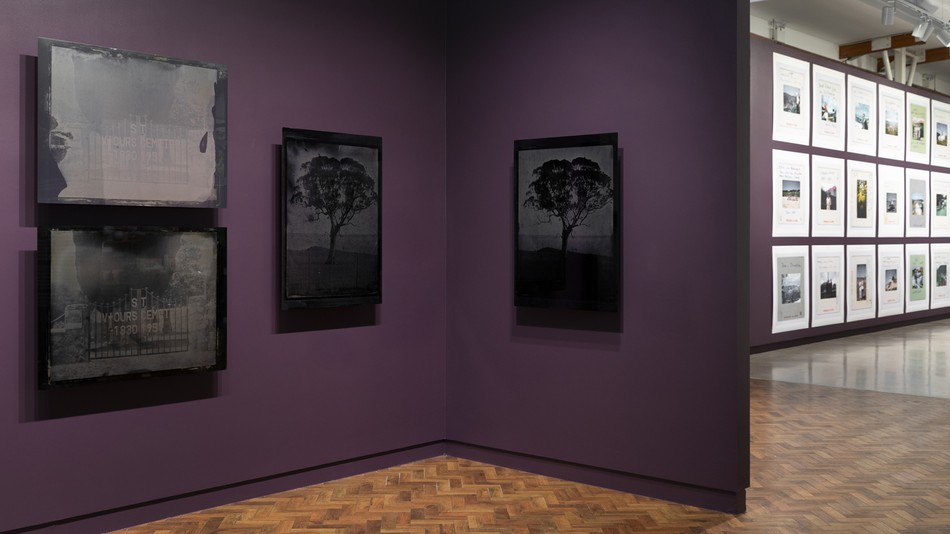
Installation view Brenda L Croft, ‘after/image’ featuring Brenda L Croft, Gurindji/Malngin/Mudburra Peoples from the Victoria River region of the Northern Territory of Australia, and Anglo-Australian/British/Chinese/German/Irish/Scottish heritage, ‘St Saviour’s Cemetery Gates I’ 2026; St Saviour’s Cemetery Gates I1’ 2026; ‘Weereewa/Ngungara (Lake George) Tree I’, 2026 and Weereewa/Ngungara (Lake George) Tree II’, 2026, form the series ‘after/image’, 2026, Chromaluxe custom print, from original tintype with technical assistance from Prue Hazelgrove. Printed by Richard Crampton for Darkstar Digital and Brenda L. Croft, ‘Made in Australia Series II’, 2018 – 2026 (detail), pigment print on paper from Kodachrome slides. Printed by Richard Crampton for Darkstar Digital. Courtesy the artist and Niagara Galleries, Melbourne. Photograph: Silversalt Photography.
Installation view Brenda L Croft ‘after/image’ featuring Brenda L Croft, Gurindji/Malngin/Mudburra Peoples from the Victoria River region of the Northern Territory of Australia, and Anglo-Australian/British/Chinese/German/Irish/Scottish heritage, ‘Made in Australia II’, series 2018 – 2026, pigment print on paper from Kodachrome slides. Printed by Richard Crampton for Darkstar Digital. Courtesy the artist and Niagara Galleries, Melbourne. Photograph: Silversalt Photography.
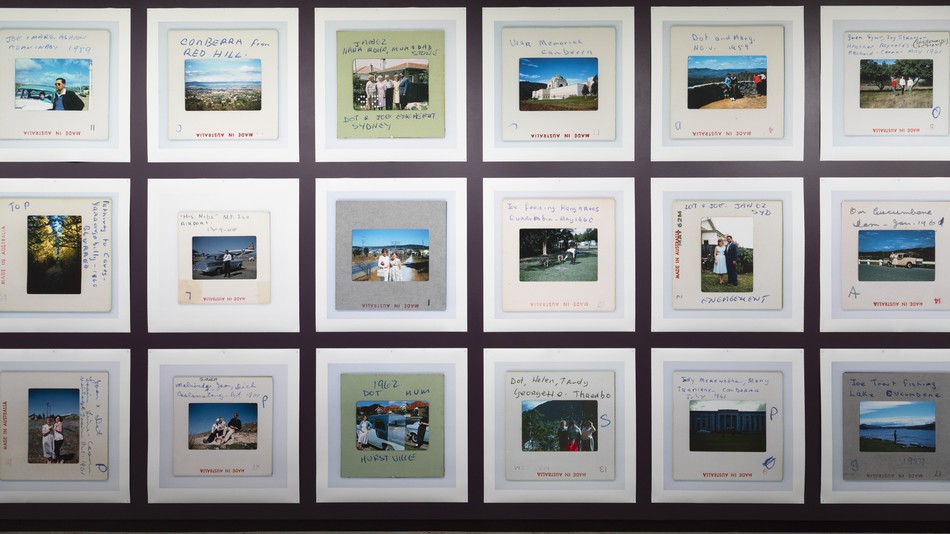
Installation view Brenda L Croft ‘after/image’ featuring Brenda L Croft, Gurindji/Malngin/Mudburra Peoples from the Victoria River region of the Northern Territory of Australia, and Anglo-Australian/British/Chinese/German/Irish/Scottish heritage, ‘Made in Australia II’ series, 2018 – 2026 (detail), pigment print on paper from Kodachrome slides. Printed by Richard Crampton for Darkstar Digital. Courtesy the artist and Niagara Galleries, Melbourne. Photograph: Silversalt Photography.
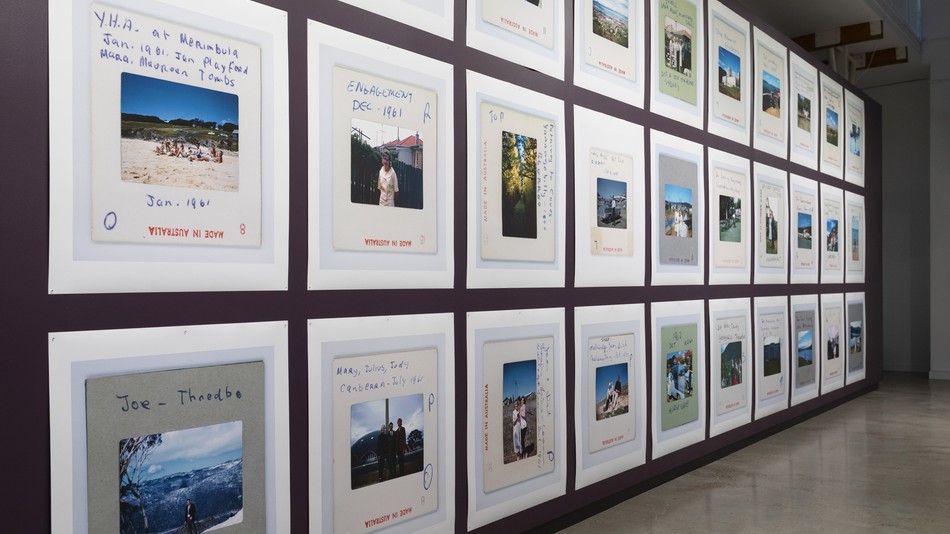
Installation view Brenda L Croft ‘after/image’ featuring Brenda L Croft, Gurindji/Malngin/Mudburra Peoples from the Victoria River region of the Northern Territory of Australia, and Anglo-Australian/British/Chinese/German/Irish/Scottish heritage, ‘Made in Australia II’ series, 2018 – 2026 (detail), pigment print on paper from Kodachrome slides. Printed by Richard Crampton for Darkstar Digital. Courtesy the artist and Niagara Galleries, Melbourne. Photograph: Silversalt Photography.
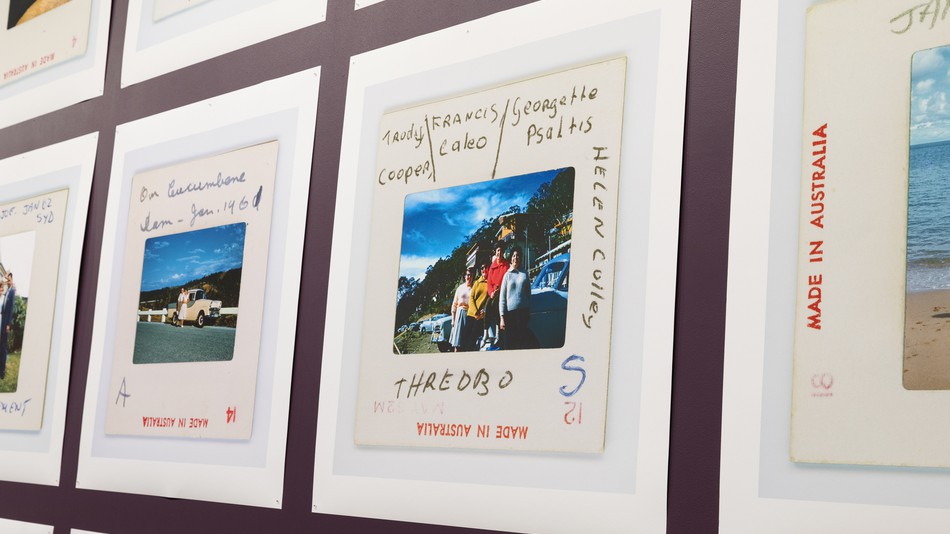
Installation view Brenda L Croft ‘after/image’ featuring Brenda L Croft, Gurindji/Malngin/Mudburra Peoples from the Victoria River region of the Northern Territory of Australia, and Anglo-Australian/British/Chinese/German/Irish/Scottish heritage, ‘Made in Australia II’ series, 2018 – 2026 (detail), pigment print on paper from Kodachrome slides. Printed by Richard Crampton for Darkstar Digital. Courtesy the artist and Niagara Galleries, Melbourne. Photograph: Silversalt Photography.

Brenda L Croft, Gurindji / Malngin / Mudburra Peoples from the Victoria River region of the Northern Territory of Australia, and Anglo-Australian / British / Chinese / German / Irish / Scottish heritage, Weerewa (Lake George) tree II, 2026, From the series after/image 2026, Chromaluxe custom print from original tintype, with technical assistance from Prue Hazelgrove. Printed by Richard Crampton for Darkstar Digital. Courtesy the artist and Niagara Galleries, Melbourne
Brenda L Croft
after/image
13 feb. — 4 apr. 2026
after/image presents new work from artist and curator Brenda L Croft. Working with sites in the Goulburn Mulwaree region that connect directly to her family history, Croft offers a story of connection and distance, memory and loss over time.
Croft is an artist from the Gurindji/Malngin/Mudburra Peoples from the Victoria River region of the Northern Territory of Australia, and has Anglo-Australian/British/ Chinese/German/Irish/Scottish heritage. Her practice has, for over four decades, explored the intersections of family/community, place, re/memorying and contested histories.
after/image will extend Croft’s ongoing practice of researching and honouring her matrilineal heritage, in particular her great-greatgrandmother Caroline Stephenson (and her family) with whom she shares a birthday (17 May 1857/1964), who lived and worked in the broader Goulburn region during the mid to late 19th century.
after/image is an immersive exhibition experience featuring the Collodion tintype photographic process as well as a large-scale audio-visual installation. These new works will document specific sites of personal and historic significance tracing her maternal family's connections. The works trace the Coach and Horses Inn, St Saviour’s Cemetery and the northeast corner of Weereewa/Lake George, an endoheric lake that rises and falls enigmatically over time and has been a historic site of atrocities, fantasies and reflection over thousands of years.
Croft in this new photographic series works with technical assistance from artist Prue Hazelgrove who brings expertise in the wet plate photographic process. Hazelgrove is simultaneously presenting a new body of work at the Gallery which studies the interlinked connections and histories between Hazelgrove’s personal experiences, family history in the region, and intersections with spiritual, social and cultural institutions.
Related Events
Catalogue launch with Brenda L Croft, Dr Rowan Conroy and Virginia Rigney
Roam through time with Brenda L. Croft and Jennifer Lamb OAM
Opening Brenda L Croft , Prue Hazelgrove & Bridget Baskerville + artist tour
15
Installation view Brenda L Croft ‘after/image’ featuring Brenda L Croft, Gurindji/Malngin/Mudburra Peoples from the Victoria River region of the Northern Territory of Australia, and Anglo-Australian/British/Chinese/German/Irish/Scottish heritage, 'Coach and Horses Inn I', 2026, from the series 'after/image' 2026, Chromaluxe custom print, from original tintype with technical assistance from Prue Hazelgrove, Printed by Richard Crampton for Darkstar Digital and Brenda L. Croft, ‘Made in Australia II’ series’, 2018 – 2026 (detail), pigment print on paper from Kodachrome slides. Printed by Richard Crampton for Darkstar Digital. Courtesy the artist and Niagara Galleries, Melbourne. Photograph: Silversalt Photography.
Installation view Brenda L Croft ‘after/image’ featuring Brenda L Croft, Gurindji/Malngin/Mudburra Peoples from the Victoria River region of the Northern Territory of Australia, and Anglo-Australian/British/Chinese/German/Irish/Scottish heritage, ‘Coach and Horses Inn/Hotel, Augusta Stephenson (licensee) & Son c.1880-1890’ (Photographer unknown, Courtesy History Goulburn); ‘Herb 16 yrs, with his brother and other apprentices, Sydney c 1925 (Photographer unknown)’, 2016; ‘Herb + Phyllis Stone ‘s Wedding 1 January 1934 (Photographer unknown)’ 2026, and ‘Judy + Dorothy Stone, c 1940 (Photographer unknown)’, 2026, from the from the series ‘after/image’, 2026, pigment pigment paper, from archival photograph. Printed by Richard Crampton for Darkstar Digital. Courtesy the artist and Niagara Galleries, Melbourne. Photograph: Silversalt Photography.
Installation view Brenda L Croft ‘after/image’ featuring Brenda L Croft, Gurindji/Malngin/Mudburra Peoples from the Victoria River region of the Northern Territory of Australia, and Anglo-Australian/British/Chinese/German/Irish/Scottish heritage, ‘Weereewa/Ngungara (Lake George) after Lycett (For Augusta + Caroline 17 May 1957/2025)’, 2026 and ‘Weereewa/Ngungara (Lake George) after Lycett (for Dorothy + Brenda 17 May 1964/2025)’, 2026, from the series ‘after/image’, 2026, Chromaluxe custom print, from original tintype with technical assistance from Prue Hazelgrove. Printed by Richard Crampton for Darkstar Digital. Courtesy the artist and Niagara Galleries, Melbourne. Photograph: Silversalt Photography.
Installation view Brenda L Croft, ‘after/image’ featuring Brenda L Croft, Gurindji/Malngin/Mudburra Peoples from the Victoria River region of the Northern Territory of Australia, and Anglo-Australian/British/Chinese/German/Irish/Scottish heritage, ‘after/imagining’, 2026, three channel digital moving image work, duration 10mins, with technical assistance from Baden Phalthorpe. With thanks to Reverend Gavin Krebs, Dean, Phil Fraser, organist and congregation of St Saviour’s Anglican Cathedral Canberra/Goulburn; sincere thanks to the congregation of St Nicholas’ Anglican Church, Goulburn. Courtesy the artist and Niagara Galleries, Melbourne. Photograph: Silversalt Photography.
Installation view Brenda L Croft, ‘after/image’ featuring Brenda L Croft, Gurindji/Malngin/Mudburra Peoples from the Victoria River region of the Northern Territory of Australia, and Anglo-Australian/British/Chinese/German/Irish/Scottish heritage, ‘after/imagining’, 2026, three channel digital moving image work, duration 10mins, with technical assistance from Baden Phalthorpe. With thanks to Reverend Gavin Krebs, Dean, Phil Fraser, organist and congregation of St Saviour’s Anglican Cathedral Canberra/Goulburn; sincere thanks to the congregation of St Nicholas’ Anglican Church, Goulburn. Courtesy the artist and Niagara Galleries, Melbourne. Photograph: Silversalt Photography.
Installation view Brenda L Croft, ‘after/image’ featuring Brenda L Croft, Gurindji/Malngin/Mudburra Peoples from the Victoria River region of the Northern Territory of Australia, and Anglo-Australian/British/Chinese/German/Irish/Scottish heritage, ‘after/imagining’, 2026, three channel digital moving image work, duration 10mins, with technical assistance from Baden Phalthorpe. With thanks to Reverend Gavin Krebs, Dean, Phil Fraser, organist and congregation of St Saviour’s Anglican Cathedral Canberra/Goulburn; sincere thanks to the congregation of St Nicholas’ Anglican Church, Goulburn. Courtesy the artist and Niagara Galleries, Melbourne. Photograph: Silversalt Photography.
Installation view Brenda L Croft’ after/image’ featuring Brenda L Croft, Gurindji/Malngin/Mudburra Peoples from the Victoria River region of the Northern Territory of Australia, and Anglo-Australian/British/Chinese/German/Irish/Scottish heritage, ‘St Saviour’s Cathedral I’, 2026; ‘St Saviour’s Cathedral II’, 2026; ‘St Saviour's Cemetery Headstone I’, 2026; St Saviour's Cemetery Headstone II’, 2026; ‘St Saviour’s Cemetery Gates I’ 2026; St Saviour’s Cemetery Gates II’ 2026; ‘Weereewa/Ngungara (Lake George) Tree I’, 2026 and Weereewa/Ngungara (Lake George) Tree II’, 2026, from the series ‘after/image’, 2026, Chromaluxe custom print, from original tintype with technical assistance from Prue Hazelgrove. Printed by Richard Crampton for Darkstar Digital. Courtesy the artist and Niagara Galleries, Melbourne. Photograph: Silversalt Photography.
Installation view Brenda L Croft’ after/image’ featuring Brenda L Croft, Gurindji/Malngin/Mudburra Peoples from the Victoria River region of the Northern Territory of Australia, and Anglo-Australian/British/Chinese/German/Irish/Scottish heritage, ‘St Saviour’s Cathedral I’, 2026; ‘St Saviour’s Cathedral II’, 2026; ‘St Saviour's Cemetery Headstone I’, 2026; St Saviour's Cemetery Headstone II’, 2026; ‘St Saviour’s Cemetery Gates I’ 2026; St Saviour’s Cemetery Gates II’ 2026, from the series ‘after/image’, 2026, Chromaluxe custom print, from original tintype with technical assistance from Prue Hazelgrove. Printed by Richard Crampton for Darkstar Digital. Courtesy the artist and Niagara Galleries, Melbourne. Photograph: Silversalt Photography.
Installation view Brenda L Croft’ after/image’ featuring Brenda L Croft, Gurindji/Malngin/Mudburra Peoples from the Victoria River region of the Northern Territory of Australia, and Anglo-Australian/British/Chinese/German/Irish/Scottish heritage, ‘St Saviour’s Cemetery Gates I’ 2026; St Saviour’s Cemetery Gates II’ 2026, from the series ‘after/image’, 2026, Chromaluxe custom print, from original tintype with technical assistance from Prue Hazelgrove. Printed by Richard Crampton for Darkstar Digital. Courtesy the artist and Niagara Galleries, Melbourne. Photograph: Silversalt Photography.
Installation view Brenda L Croft, ‘after/image’ featuring Brenda L Croft, Gurindji/Malngin/Mudburra Peoples from the Victoria River region of the Northern Territory of Australia, and Anglo-Australian/British/Chinese/German/Irish/Scottish heritage, Weereewa/Ngungara (Lake George) Tree I’, 2026, and Weereewa/Ngungara (Lake George) Tree II’, 2026, from the series ‘after/image’, 2026, Chromaluxe custom print, from original tintype with technical assistance from Prue Hazelgrove. Printed by Richard Crampton for Darkstar Digital. Courtesy the artist and Niagara Galleries, Melbourne. Photograph: Silversalt Photography.
Installation view Brenda L Croft, ‘after/image’ featuring Brenda L Croft, Gurindji/Malngin/Mudburra Peoples from the Victoria River region of the Northern Territory of Australia, and Anglo-Australian/British/Chinese/German/Irish/Scottish heritage, ‘St Saviour’s Cemetery Gates I’ 2026; St Saviour’s Cemetery Gates I1’ 2026; ‘Weereewa/Ngungara (Lake George) Tree I’, 2026 and Weereewa/Ngungara (Lake George) Tree II’, 2026, form the series ‘after/image’, 2026, Chromaluxe custom print, from original tintype with technical assistance from Prue Hazelgrove. Printed by Richard Crampton for Darkstar Digital and Brenda L. Croft, ‘Made in Australia Series II’, 2018 – 2026 (detail), pigment print on paper from Kodachrome slides. Printed by Richard Crampton for Darkstar Digital. Courtesy the artist and Niagara Galleries, Melbourne. Photograph: Silversalt Photography.
Installation view Brenda L Croft ‘after/image’ featuring Brenda L Croft, Gurindji/Malngin/Mudburra Peoples from the Victoria River region of the Northern Territory of Australia, and Anglo-Australian/British/Chinese/German/Irish/Scottish heritage, ‘Made in Australia II’, series 2018 – 2026, pigment print on paper from Kodachrome slides. Printed by Richard Crampton for Darkstar Digital. Courtesy the artist and Niagara Galleries, Melbourne. Photograph: Silversalt Photography.
Installation view Brenda L Croft ‘after/image’ featuring Brenda L Croft, Gurindji/Malngin/Mudburra Peoples from the Victoria River region of the Northern Territory of Australia, and Anglo-Australian/British/Chinese/German/Irish/Scottish heritage, ‘Made in Australia II’ series, 2018 – 2026 (detail), pigment print on paper from Kodachrome slides. Printed by Richard Crampton for Darkstar Digital. Courtesy the artist and Niagara Galleries, Melbourne. Photograph: Silversalt Photography.
Installation view Brenda L Croft ‘after/image’ featuring Brenda L Croft, Gurindji/Malngin/Mudburra Peoples from the Victoria River region of the Northern Territory of Australia, and Anglo-Australian/British/Chinese/German/Irish/Scottish heritage, ‘Made in Australia II’ series, 2018 – 2026 (detail), pigment print on paper from Kodachrome slides. Printed by Richard Crampton for Darkstar Digital. Courtesy the artist and Niagara Galleries, Melbourne. Photograph: Silversalt Photography.
Installation view Brenda L Croft ‘after/image’ featuring Brenda L Croft, Gurindji/Malngin/Mudburra Peoples from the Victoria River region of the Northern Territory of Australia, and Anglo-Australian/British/Chinese/German/Irish/Scottish heritage, ‘Made in Australia II’ series, 2018 – 2026 (detail), pigment print on paper from Kodachrome slides. Printed by Richard Crampton for Darkstar Digital. Courtesy the artist and Niagara Galleries, Melbourne. Photograph: Silversalt Photography.